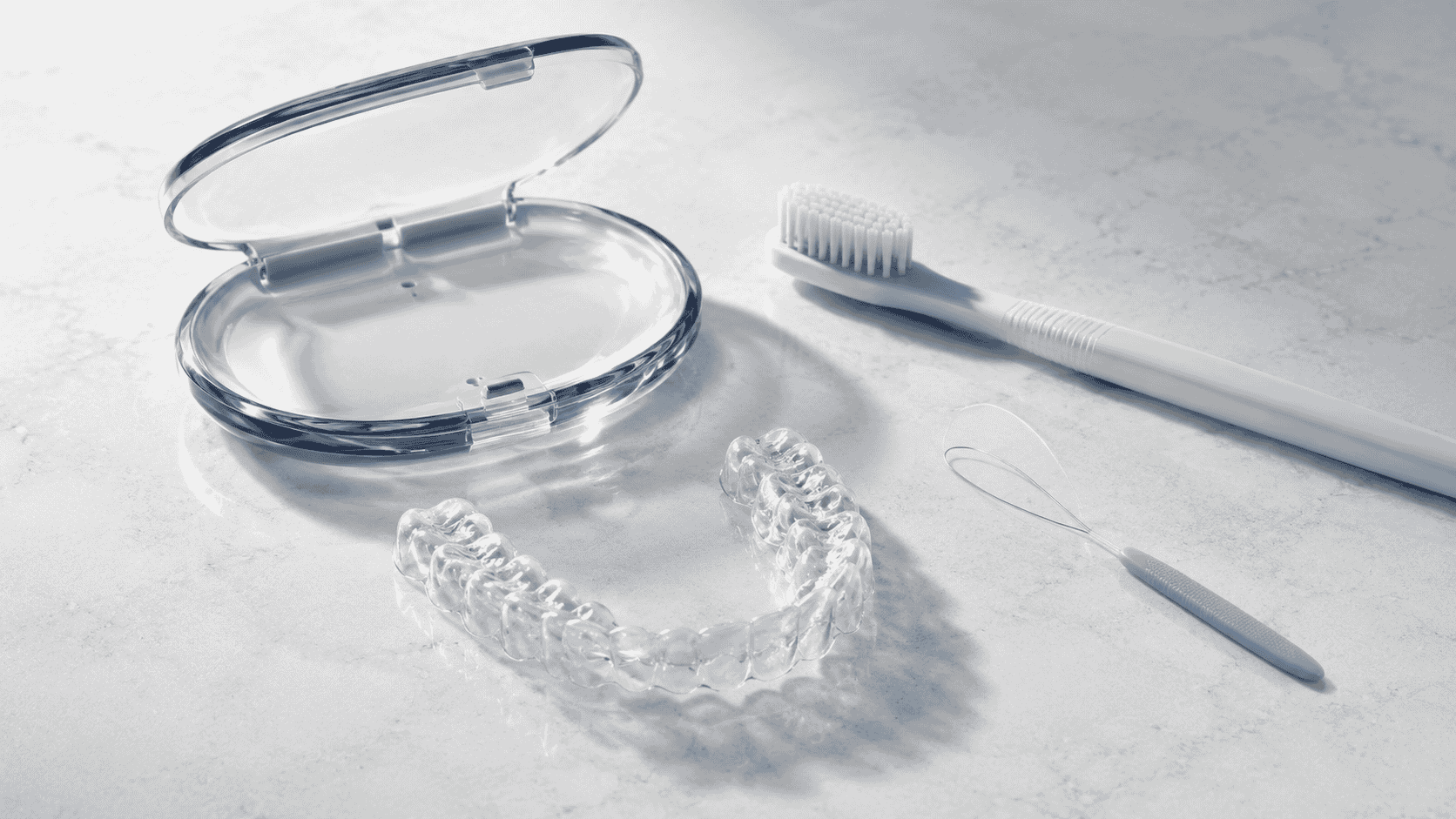

Hiking and camping in the Pacific Northwest can expose your clear aligners to mud, rain, and temperature swings that cause damage or loss. Pack a dedicated aligner case, remove trays only to eat, rinse with treated water (never creek water), and call our office right away if a tray goes missing or breaks on the trail.
Key Takeaways
- Pacific Northwest weather and terrain create unique risks for clear aligners, including moisture, mud, and sudden temperature changes.
- A small aligner care kit, packed before you leave, prevents most common problems on the trail.
- Clean water (bottled or treated) is essential since creek or lake water isn’t safe for rinsing.
- Losing or damaging an aligner doesn’t have to derail your treatment if you contact us quickly.
- Planning your aligner-wearing schedule around your itinerary keeps your treatment on track, even during a multi-day trip.

We love that so many of our patients spend their weekends exploring the trails, rivers, and forests that make this region so special. But we also know that hiking and camping can throw a few curveballs at your orthodontic routine. Clear aligners are built to handle daily life, yet they weren’t exactly designed with muddy trailheads and campfire smoke in mind.
That’s why we put together this guide. Whether you’re heading out for a day hike near Mount St. Helens or settling in for a weekend at one of the many Pacific Northwest campsites on Hipcamp, a little preparation goes a long way toward keeping your aligners clean, intact, and doing their job.
Why Clear Aligners Need Extra Care While Hiking & Camping
The Pacific Northwest isn’t exactly gentle on gear, and your aligners are no exception. Morning dew, sudden downpours, and the kind of humidity that clings to everything you own can all affect how you store and handle your trays. Add in the dramatic temperature swings common on PNW trails, cold mornings followed by warm afternoons, and you’ve got conditions that can quietly warp plastic aligners if they’re left somewhere too hot or too cold.
Dirt and pollen exposure is another factor worth thinking about. Aligners that get set down on a rock or tossed into a backpack pocket without their case pick up grime fast, and that grime doesn’t belong anywhere near your teeth. Beyond cleanliness, there’s a real risk of simply losing a tray. A napkin-wrapped aligner looks a lot like trash to someone cleaning up a campsite, and curious wildlife (or even a camp dog) won’t think twice before chewing on something left unattended.
None of this means your treatment has to pause every time you lace up your boots. It does mean a bit of extra planning makes a real difference in keeping your smile progressing on schedule.
Before You Head Out: Preparation Tips
A little packing foresight saves a lot of trailside stress. Before your next trip, build a small aligner care kit that lives in your pack alongside your other essentials.
What should I pack in my aligner care kit?
At minimum, bring your aligner case (clipped securely inside a zipped pocket, not loose in a bag), a travel-sized toothbrush, and any spare or backup aligners you’ve been given. If you’re between trays or anticipate needing an extra set during a longer trip, it’s worth discussing this with us ahead of time during your first visit or a routine check-in.
How do I plan my aligner schedule around a camping trip?
If you’re multiple days into wearing a particular aligner, try to time your trip so you’re not switching trays mid-hike, when you’re less likely to have a clean, well-lit spot to handle the swap carefully. For longer backcountry trips, pack whichever aligner you’ll need next so you’re not stuck waiting until you’re back in cell service to ask us a question.
Managing Your Aligners During Outdoor Activities
Once you’re actually out on the trail, the core guidance doesn’t change much from your everyday routine: wear your aligners the entire day, awake or asleep, and only remove them to eat. The outdoor setting just adds a few wrinkles worth planning for.
Snacking on the trail is one of the biggest adjustment points. Every time you stop for a granola bar or trail mix, take your aligners out, rinse your mouth if you can, and pop them straight into their case rather than a pocket or a bandana. This habit matters even more outdoors, where a dropped aligner is far more likely to end up lost in leaves or dirt than it would be on your kitchen counter at home.
Drinking is simpler. Plain water is fine with aligners in, so there’s no need to remove them for every sip from your bottle. Anything else, including coffee at the campsite or a sports drink mid-hike, should wait until your aligners are out and stored safely.
When you’re not wearing them, the case always goes somewhere predictable: a zipped interior pocket of your pack, never loose in a cup holder, tent corner, or picnic table where it’s easy to forget or knock aside.
Cleaning Your Aligners in Remote Locations
Keeping your aligners clean while exploring remote locations can feel tricky, but with the right approach, it’s entirely manageable. A little preparation goes a long way to ensure your aligners stay fresh and hygienic, even when you’re far from the convenience of running water or your usual routine.
How do I clean my aligners without running water?
Rinse your aligners with cool or lukewarm bottled or treated water, then brush them gently with a soft toothbrush, the same routine you’d follow at home, just with water you’ve packed in rather than tap water. Avoid hot water entirely; heat can warp the plastic and throw off the fit you and our team worked to dial in.
Can I rinse my aligners in a creek or lake?
No. Natural water sources in the backcountry, including creeks, rivers, and lakes, aren’t treated and can carry bacteria you don’t want anywhere near your mouth or your aligners. Stick to water you’ve brought along or treated specifically for drinking.
What if my aligners get dirty or contaminated on the trail?
If your aligner trays pick up dirt, sap, or anything questionable while you’re out, rinse them thoroughly with your clean water supply before reinserting. When in doubt, it’s always better to leave a tray out a bit longer and rinse again than to put something questionable back in your mouth.
Handling Common Challenges & Emergencies
Even with good habits, things happen. Here’s what to do when they do.
If an aligner goes missing or gets damaged while you’re camping, don’t try to guess your way through it. Resist the urge to force a cracked or warped tray back into place, since that can cause more harm than good. Call our Longview office at (360) 425-2370 or our Chehalis office at (360) 748-6636 as soon as you’re back in range. Keep in mind Longview is closed Fridays through Sundays, while Chehalis is open Monday through Friday, so plan your call accordingly if your trip wraps up over a weekend.
Discomfort or a fit that suddenly feels off is another situation where it pays to reach out rather than guess. Whether you should move ahead to your next aligner, go back to a previous one, or simply wait it out depends on specifics only we can assess for your treatment plan. If something feels seriously wrong or you’re dealing with persistent pain, it may be worth pausing strenuous activity until you’ve talked with us, which is easiest to arrange through visiting our office for a quick check.

FAQ
Q: Can I remove my aligners for the entire camping trip?
A: We don’t recommend it. Spark Clear Aligners are designed to be worn all day, aside from meals, and skipping extended stretches can slow your progress or shift your fit. If you’re worried about a specific activity, talk with us beforehand so we can help you plan around it.
Q: What should I do if I lose an aligner on the trail?
A: Retrace your last few stops if it’s safe and practical, but don’t spend your whole trip searching. Call our office as soon as you’re back in service so we can advise on next steps, which might include moving to a spare set or adjusting your schedule.
Q: How often should I clean my aligners while camping?
A: Follow the same routine you use at home: rinse and brush gently every time you remove them to eat, using clean bottled or treated water rather than water straight from the trail.
Q: Can I drink anything other than water while wearing aligners?
A: Plain water is fine with your trays in. Anything else, including coffee, juice, or sports drinks, should wait until your aligners are out and safely stored.
Q: Is it safe to hike in aligners for extended periods?
A: Yes. Aligners are designed for all-day wear, including physical activity. Just be mindful of removing them for food, keeping them protected from heat, and storing them properly between uses.
Keep Your Treatment on Track, Wherever the Trail Takes You
A little preparation is really all it takes to keep your clear aligners safe through a weekend in the backcountry or a quick day hike near home. Pack your case, stick to treated water, and handle swaps and snack breaks with the same care you’d use at home, just with a bit more attention to your surroundings.
If you’re new to treatment and still weighing your options, our team can walk you through getting clear aligners and what to expect before your first trip away from home. Current patients heading into a big trip are always welcome to check in beforehand, and if you haven’t yet, filling out our new patient forms ahead of your visit helps things move smoothly.
Questions before your next adventure, or ready to schedule a consultation? Give us a call at our Longview office, (360) 425-2370, or our Chehalis office, (360) 748-6636, or find us using our Google Maps listing. We’re happy to help you keep your smile on schedule, no matter where your next trip takes you.