
Student athletes in Longview and Kelso can play sports while wearing clear aligners, as long as they remove the aligners before practice or games and wear a properly fitted mouthguard. Consistent wear outside of sports, good storage habits, and regular check-ins with our orthodontic team keep treatment on track while protecting growing smiles on the field or court.
Student athletes in Longview and Kelso ask us this question all the time: Can I still play my sport while wearing clear aligners? The answer is yes, with a few precautions in place. Clear aligners have become a popular choice for busy teens because they’re discreet, removable, and far less likely to interfere with daily life than traditional braces.
That said, sports introduce a unique set of considerations. Contact sports carry a risk of facial injury, and even non-contact activities like gymnastics or cheer can lead to a stray elbow or fall. We want our young athletes to compete with confidence, and that means pairing clear aligners with the right safety habits.
Below, we’ll walk through what makes clear aligners different from braces for athletes, how to choose a mouthguard that works alongside your treatment, and best practices for keeping both your smile and your season on track.
Key Takeaways
- Clear aligners are removable, which makes them easier to manage around contact sports than fixed braces.
- A properly fitted mouthguard should be worn during practice and games instead of your aligners.
- Wearing your aligners consistently outside of sports is essential for staying on schedule with treatment.
- Talking with our team about your specific sport and treatment stage helps us build a plan that works for you.

Can I wear my clear aligners while playing sports?
Clear aligners offer a real advantage over traditional braces for student athletes: they come out. Metal brackets and wires stay fixed to the teeth during every practice and game, which raises the risk of cut lips or cheeks if there’s contact. Clear aligners, on the other hand, can be removed before you step onto the field or court.
This removability doesn’t mean aligners have no role in your athletic routine. You’ll still wear them for the majority of your day (ideally 20 to 22 hours), just not during the actual activity. For many of our patients, this trade-off barely registers once it becomes part of their routine. Fit and comfort typically improve within the first few days of a new aligner, and your treatment timeline stays intact as long as you stick to the wear schedule your orthodontist sets for you.
What type of mouthguard works best with clear aligners?
According to the American Dental Association’s MouthHealthy guide, mouthguards cushion blows to the face and help minimize the risk of broken teeth and injuries to the lips, tongue, jaw, and face. This protection matters most in collision and contact sports like football, wrestling, or basketball, but it’s worth noting that non-contact activities such as gymnastics and skating can also lead to dental injuries.
The ADA identifies three main types of mouthguards. Custom-made guards, created by your dentist or orthodontist, tend to offer the best fit and comfort, though they cost more. Boil-and-bite guards are softened in hot water and shaped to your mouth, often fitting better than off-the-shelf options. Stock mouthguards are the least expensive, but they’re pre-formed and can make breathing or talking difficult during play.
Importantly, the ADA notes that a properly fitted mouthguard may be especially important for people with braces, and recommends talking to your dentist or orthodontist about your specific situation. A key safety point for clear aligner patients: removable appliances like aligners and retainers should not be worn during contact sports. Clear aligners aren’t designed to absorb impact the way a mouthguard is, so the two shouldn’t be substituted for each other. The right approach is to remove your aligners before activity and wear a mouthguard in their place. Ask us about the best mouthguard setup for your sport and your stage of treatment, since recommendations can vary case by case.
What are the best practices for athletes wearing clear aligners?
Building a few simple habits around your sport schedule makes a big difference in keeping both your smile and your season on track.
- Establish a removal routine. Take your aligners out shortly before warming up, and get into the habit of doing this at the same point in your pre-practice routine every time. This reduces the chance of forgetting them in your bag, locker, or worse, the trash can at the field.
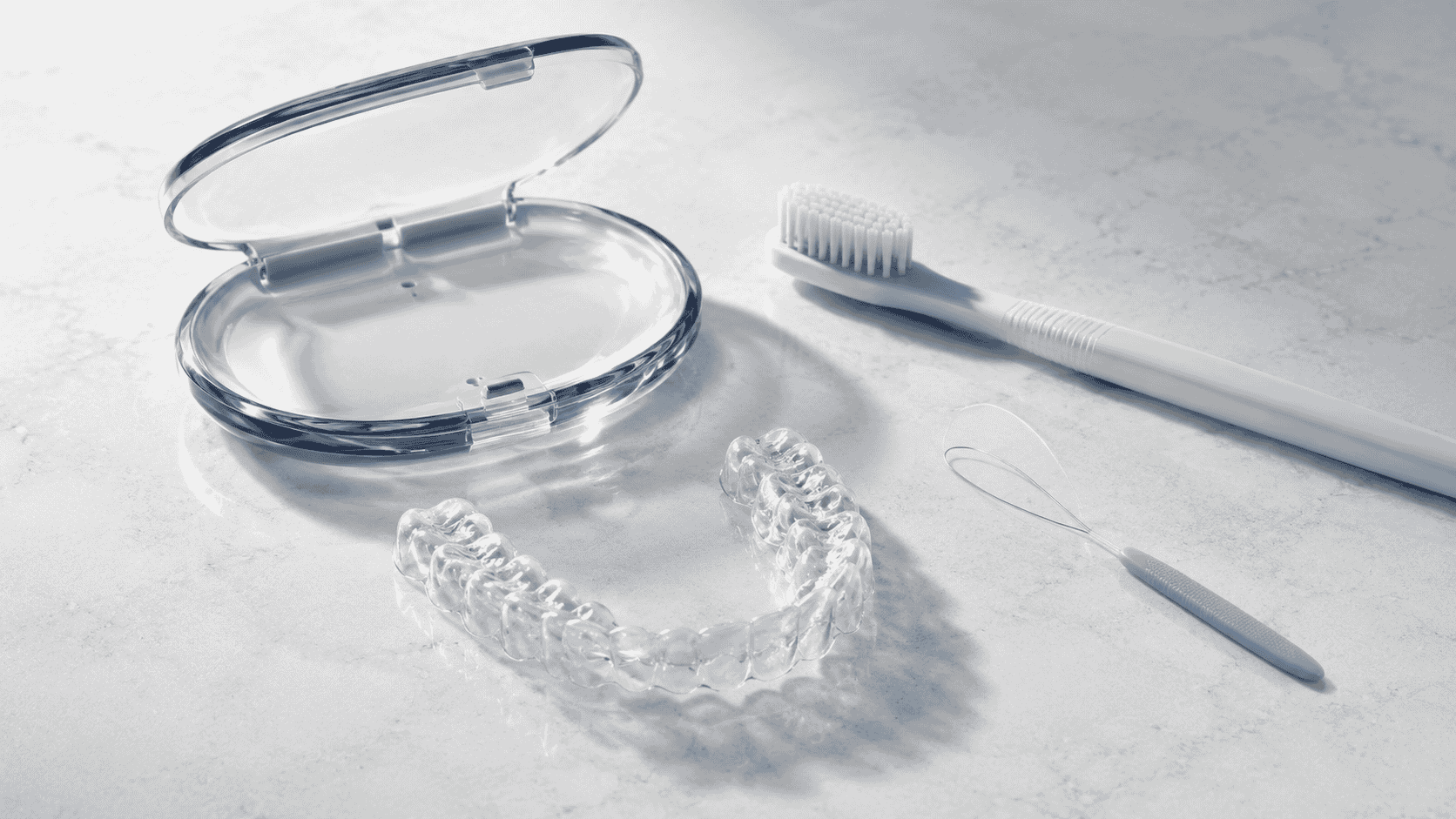
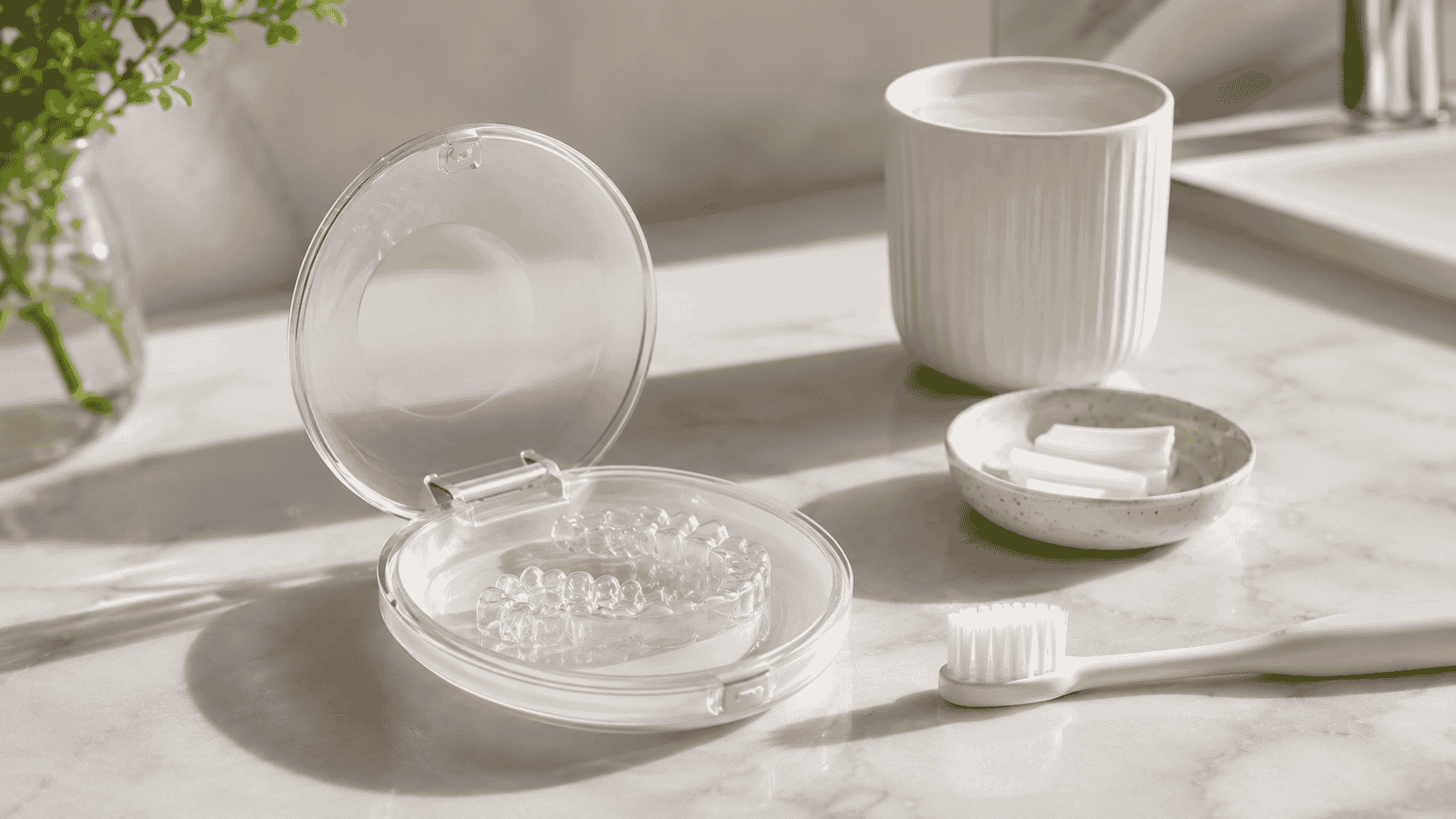
- Invest in proper storage. Always place removed aligners in their case rather than wrapping them in a napkin or tucking them into a pocket. A sturdy, vented case protects them from damage and keeps them visible so they don’t get left behind.
- Keep up with hygiene. After practice or a game, rinse your aligners before putting them back in, and brush your teeth if you have time. Sweat and bacteria from physical activity can build up quickly, so a quick rinse goes a long way.
- Stay consistent with wear time. The biggest risk to your treatment timeline isn’t sports; it’s inconsistent wear. Aim to put your aligners right back in after you’ve cooled down and cleaned up, since every hour out adds up over the course of a season.
How does Wagner Orthodontics support Longview and Kelso student athletes?
We’ve worked with plenty of student athletes from Longview schools and the surrounding Kelso community, and we understand that sports schedules don’t pause for orthodontic treatment. Our team builds customized plans that take your season into account, whether you’re in the middle of fall football or year-round club sports.
When you come in for a consultation, we’ll talk through your specific sport, position, and risk level to help you figure out the right mouthguard approach. We also walk through our full range of treatment options so you understand how clear aligners compare to other choices before committing. If you have more questions along the way, our frequently asked questions page covers many of the topics patients bring up most often, and you’re always welcome to reach out directly.
Our Longview office is the closest option for Kelso families, and you can find directions to our office whenever you’re ready to schedule a visit. We also encourage you to get to know our team before your first appointment, so you feel comfortable from the moment you walk through the door.

Frequently Asked Questions
Q: Can I wear my clear aligners while playing sports?
A: You should remove your clear aligners before practice or games and wear a properly fitted mouthguard instead. Clear aligners aren’t designed to absorb impact, so they shouldn’t be worn as a substitute for sports protection during contact activities.
Q: What type of mouthguard works best with clear aligners?
A: Custom-made mouthguards typically offer the best fit, though boil-and-bite options from a sporting goods store are a solid alternative. Talk to us about which option fits your sport and treatment stage, since the right setup can vary from patient to patient.
Q: Will playing sports affect my treatment timeline?
A: Sports participation itself won’t slow your treatment, as long as you stay consistent with wearing your aligners for the recommended hours each day outside of practice and games. Skipping wear time regularly is what tends to push timelines back.
Q: How do I protect my aligners during games and practice?
A: Store them in a sturdy, vented case the moment you take them out, rather than wrapping them in a napkin or pocket. Rinse them before putting them back in after activity to keep bacteria and sweat buildup to a minimum.
Q: Does Wagner Orthodontics have an office in Kelso?
A: We don’t have a dedicated Kelso office, but our Longview location serves Kelso families as the closest and most convenient option. We also have a second office in Chehalis for patients in that area.
Keep Playing, Keep Smiling
Clear aligners give student athletes in Longview and Kelso real flexibility, letting them pursue their sport while working toward a straighter smile at the same time. With the right mouthguard, a consistent wear routine, and open communication with our team, there’s no reason sports and orthodontic treatment can’t both stay on track.
If you have questions about your specific sport or treatment plan, reach out to us directly. We’re happy to build a plan that fits your season, your schedule, and your smile goals.