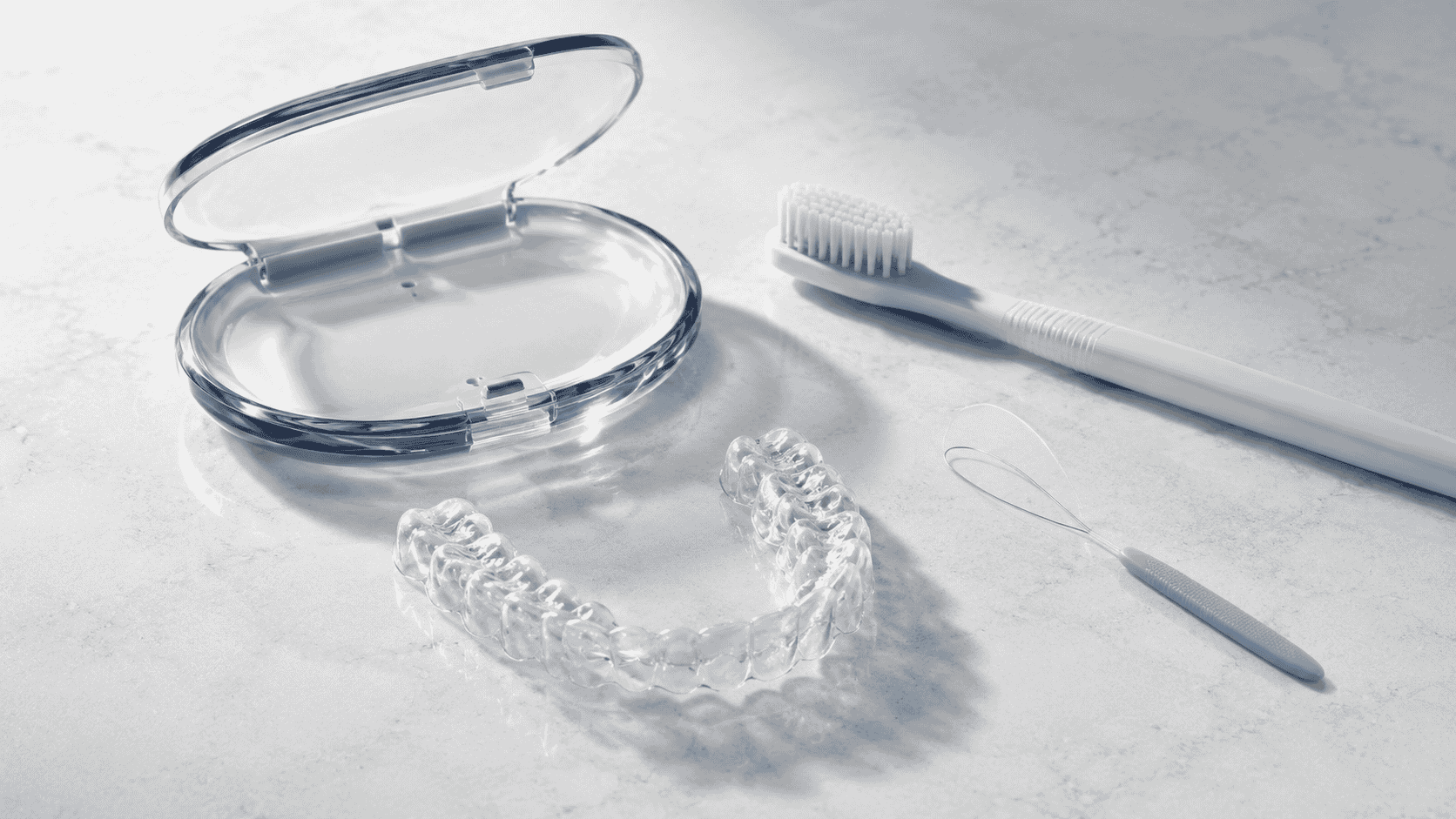

If you or your child are undergoing orthodontic treatment, you might reach a stage where your orthodontist hands you a small packet of tiny, colorful elastics. At first glance, they seem simple enough—just little rubber bands. But these tiny tools are actually powerhouse components of your treatment plan.
While braces and wires do the heavy lifting of straightening your teeth horizontally, rubber bands (technically called elastics) are often the critical final step in correcting your bite. They work to ensure your upper and lower teeth mesh together perfectly. A common question patients ask at Wagner Orthodontics is whether these bands are moving just the teeth or the jaw itself. It’s a valid concern, especially when you feel that distinct pressure after putting in a fresh pair.
Understanding how these elastics work can make the process less intimidating and help you stay motivated to wear them as prescribed. At Wagner Orthodontics, we believe that an informed patient is a happy patient. Whether you are visiting us for braces or clear aligners in Longview or Chehalis, Dr. Wagner is dedicated to helping you achieve a healthy, functional smile with the best technology available.
Key Takeaways
- Dual Purpose: Rubber bands correct bite alignment (malocclusion) by applying pressure to move teeth into their proper positions relative to each other.
- Targeted Movement: While they primarily move teeth, consistent force can influence jaw alignment, especially in growing patients.
- Compliance is Key: The effectiveness of elastics relies entirely on patient cooperation; not wearing them extends treatment time.
- Temporary vs. Permanent: Skeletal changes are more permanent in children and teens, while adults usually experience dental movement rather than skeletal jaw growth.
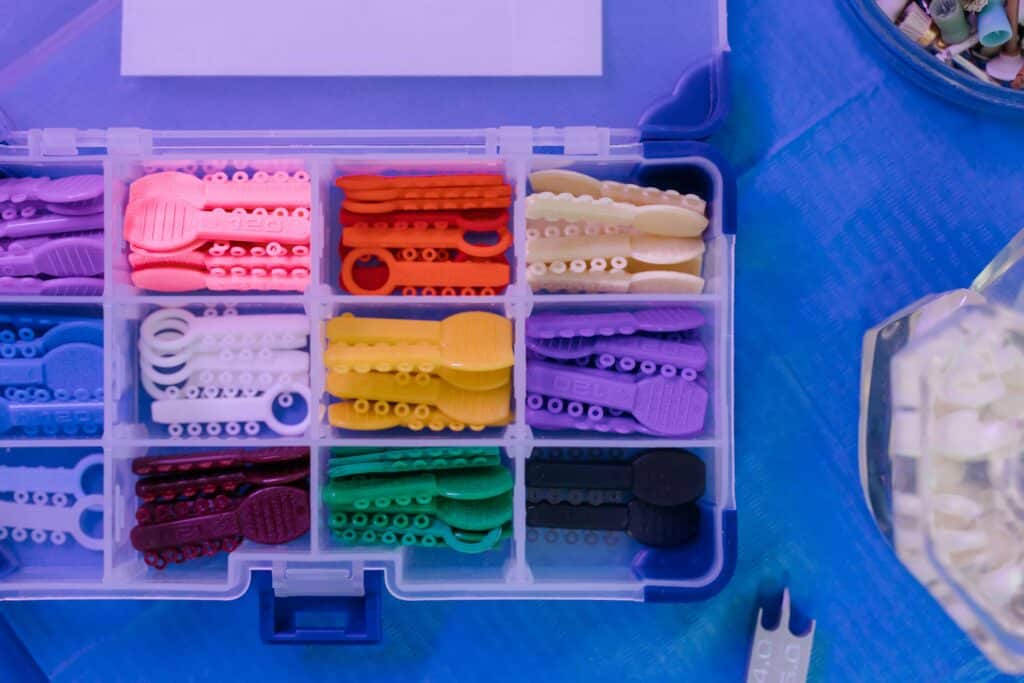
What are Orthodontic Rubber Bands?
Orthodontic rubber bands are small, medical-grade latex (or latex-free) elastics used to apply additional force to specific areas of your mouth. While your brackets and archwires are excellent at aligning teeth within the same arch (straightening the top row or the bottom row independently), they can’t always fix the relationship between the two arches.
That is where rubber bands come in. They connect the upper and lower braces, usually hooking onto small hooks built into your brackets or clear aligners. By connecting specific points, they create a directional force that pulls the teeth in a specific direction.
Types of Elastics and Their Functions
There isn’t a “one size fits all” approach to rubber bands. Dr. Wagner will prescribe specific configurations based on your unique bite issues:
- Class II Elastics: These are used to correct an overbite (where the top teeth stick out too far). They typically stretch from the upper front teeth to the lower back teeth, gently pulling the upper teeth back and the lower teeth forward.
- Class III Elastics: These treat an underbite (where the lower teeth sit in front of the upper teeth). They connect the lower front teeth to the upper back teeth.
- Vertical Elastics: These are often used to close an open bite (where the front teeth don’t touch when the back teeth are closed). They connect upper and lower teeth vertically to pull them together.
How Do Rubber Bands Work to Move the Jaw and Teeth?
The mechanics of rubber bands are based on constant, gentle tension. When you attach the elastic to the hooks, it stretches. As the elastic tries to return to its original, smaller size, it exerts a force on the teeth it is attached to.
This force triggers a biological response in the bone surrounding your teeth. The pressure causes bone to break down on one side of the tooth and rebuild on the other, allowing the tooth to drift into its new, correct position.
Do rubber bands on braces move jaw?
This is one of the most common questions we hear. The answer depends largely on the age of the patient. In children and teenagers who are still growing, the force from the rubber bands can indeed influence the growth pattern of the jaw. For example, Class II elastics can encourage the lower jaw to grow forward slightly to match the upper jaw.
However, in fully grown adults, the jawbones are fused and no longer growing. In these cases, the rubber bands are not physically moving the jaw bone itself. Instead, they are moving the teeth within the jawbone to camouflage the skeletal discrepancy and create a functional bite.
So, while it might feel like your jaw is moving because your bite is shifting, it is primarily the position of the teeth changing.
The Difference Between Moving Teeth vs. Moving the Jaw
It is important to distinguish between dental movement and skeletal movement. When you ask, “Do rubber bands move your jaw or teeth?” the answer is often a mix of both, but the ratio changes with age.
Moving Teeth (Dental Movement)
This happens in every patient. The elastics pull the teeth through the bone to fix spacing, crowding, or bite alignment.
If you have an overbite, the elastics pull the top teeth back and the bottom teeth forward until they fit together like a zipper.
Moving the Jaw (Skeletal/Orthopedic Movement)
This refers to changing the size, shape, or position of the jaw bone. This is primarily achievable during childhood and adolescence (typically between ages 7 and 14) when the sutures of the jaw have not yet hardened.
During this “growth window,” appliances and elastics can guide jaw growth. Once growth stops, moving the jaw structure usually requires orthognathic surgery, though elastics can still achieve amazing results by correcting the dental fit.
Will Elastics Permanently Change My Jaw?
Another frequent concern is, “Do elastics move your jaw permanently?”
If the treatment is done during the growth phase (childhood/adolescence), the changes to the jaw relationship are generally permanent and stable because the jaw has grown into that new position.
For adults, the changes to the tooth position are permanent, provided you wear your retainers as instructed. Since the jaw bone itself hasn’t moved, the stability comes from the teeth locking into a solid bite. If you stop wearing your retainers, teeth have a natural memory and may try to drift back, which can cause your bite to relapse.
This is why Dr. Wagner emphasizes the retention phase. Whether you use traditional metal braces or clear aligners like Spark, retaining that new, healthy bite is just as important as creating it.
Proper Wear and Care of Elastics
Rubber bands are only effective if they are worn. It sounds simple, but it is the number one variable in how fast your treatment progresses.
If you wear them for 10 hours a day instead of the prescribed 22, your teeth will move slightly, but then drift back during the hours you aren’t wearing them. This can stall your progress completely.
Guidelines for Success
- Wear them 24/7: Unless Dr. Wagner or your orthodontist instructs otherwise, wear your elastics all the time, including when you sleep. Only take them out to brush, floss, and eat meals.
- Change them frequently: Rubber bands lose their elasticity and strength over time. Change them at least 3-4 times a day (after every meal is a good habit) to ensure the force remains constant.
- Keep spares everywhere: Keep a pack in your school bag, your car, your bathroom, and your pocket. You never want to be without them.
- Don’t double up: Never try to “speed up” treatment by wearing two rubber bands at once. This applies too much force and can damage the roots of your teeth.
Managing Discomfort
It is normal for your teeth and jaws to be sore when you first start wearing elastics or when you switch to a stronger size. This means they are working! The soreness usually fades within a few days.
Sticking with it is the best way to stop the pain; stopping and starting only prolongs the discomfort. Over-the-counter pain relievers can help during the adjustment period.
The Importance of Following Orthodontist’s Instructions
Orthodontics is a team sport. Dr. Wagner designs the game plan using advanced 3D imaging and years of expertise, but you have to execute the play on the field.
Non-compliance is the biggest reason for extended treatment times. If you skip wearing your bands, you aren’t just pausing treatment—you might be reversing it. Adhering to the instructions ensures that your treatment stays on schedule and you get your braces off or finish your Spark aligners as planned.
Remember, Dr. Wagner is a third-generation orthodontist serving the Longview and Chehalis communities. His goal is to give you a smile that is both beautiful and healthy. Trusting his guidance on elastic wear ensures you get the best possible result.
Frequently Asked Questions
Q: Can I eat with my rubber bands in?
A: Generally, you should take them out to eat, especially for big meals. However, some orthodontists may suggest leaving them in for small snacks to maximize wear time. Always follow the specific instructions given to you at your appointment.
Q: What happens if I swallow a rubber band?
A: Don’t panic! Orthodontic elastics are made from non-toxic medical-grade materials. If you swallow one, it will pass through your digestive system without causing harm. Just pop a new one on your braces.
Q: Why do I need rubber bands if my teeth look straight?
A: Your teeth might look straight when you smile in the mirror, but your bite (how the back teeth fit together) might still be off. A bad bite can lead to jaw pain, uneven wear on enamel, and problems chewing. Elastics fix the bite, ensuring your straight teeth also function perfectly.
Your Smile is Our Legacy
Rubber bands may be small, but they play a massive role in the success of your orthodontic journey. They are the bridge that connects straight teeth to a properly functioning bite. Whether they are guiding jaw growth in a younger patient or perfecting the dental fit in an adult, they are essential for that final, polished result.
At Wagner Orthodontics, we combine a legacy of care with modern technology like Spark Clear Aligners and digital impressions to make your experience as comfortable as possible. We are proud to serve families in Longview and Chehalis with flexible financing and a friendly atmosphere.
If you have questions about your elastics or are ready to start your journey toward a perfect smile, don’t wait.
Ready to transform your smile? Schedule your complimentary consultation with Dr. Wagner today!